The Environmental Impact of Fast Fashion: The True Cost of Cheap Clothes
- Share
- Issue Time
- Jan 21,2026
Summary
Fast fashion is a major environmental issue, contributing to water waste, pollution, and carbon emissions. Fame Garments is committed to sustainable, eco-friendly garment production.

The fashion industry, long hailed as a major economic contributor, has earned an unfortunate reputation for its environmental toll. Often described as the second most polluting industry in the world, after oil and gas, the fashion sector’s environmental footprint is immense. From raw material sourcing to post-consumer disposal, the fashion industry's waste and pollution are felt across the globe, contributing significantly to climate change, resource depletion, and biodiversity loss.
The Growth of Fast Fashion
The rise of "fast fashion" in the 1990s has been a driving force behind this environmental crisis. Unlike traditional fashion, which saw just two major seasonal collections per year, fast fashion brands introduce new lines at an unprecedented pace—often up to 50 "drops" per year. This rapid cycle of production and consumption not only contributes to more waste but also involves increased chemical use, non-biodegradable fabrics, and unsustainable production practices.
While it fuels consumer demand for inexpensive, trend-driven items, this high-speed production system results in environmental corners being cut. The fashion industry's model of "take-make-dispose" is causing irreversible damage to the planet, and the need for sustainable practices has never been more urgent.
The Toll of Fast Fashion
● Water Consumption
The fashion industry is a major water consumer, using approximately 79 billion cubic meters of water annually, with projections to rise to 120 billion by 2030. Cotton, which makes up 90% of natural fibers in clothing, requires a vast amount of water—enough to produce a single shirt could supply a person’s drinking water needs for 2.5 years. Additionally, the dyeing process uses harmful chemicals that contaminate water systems globally.
● Waste Generation
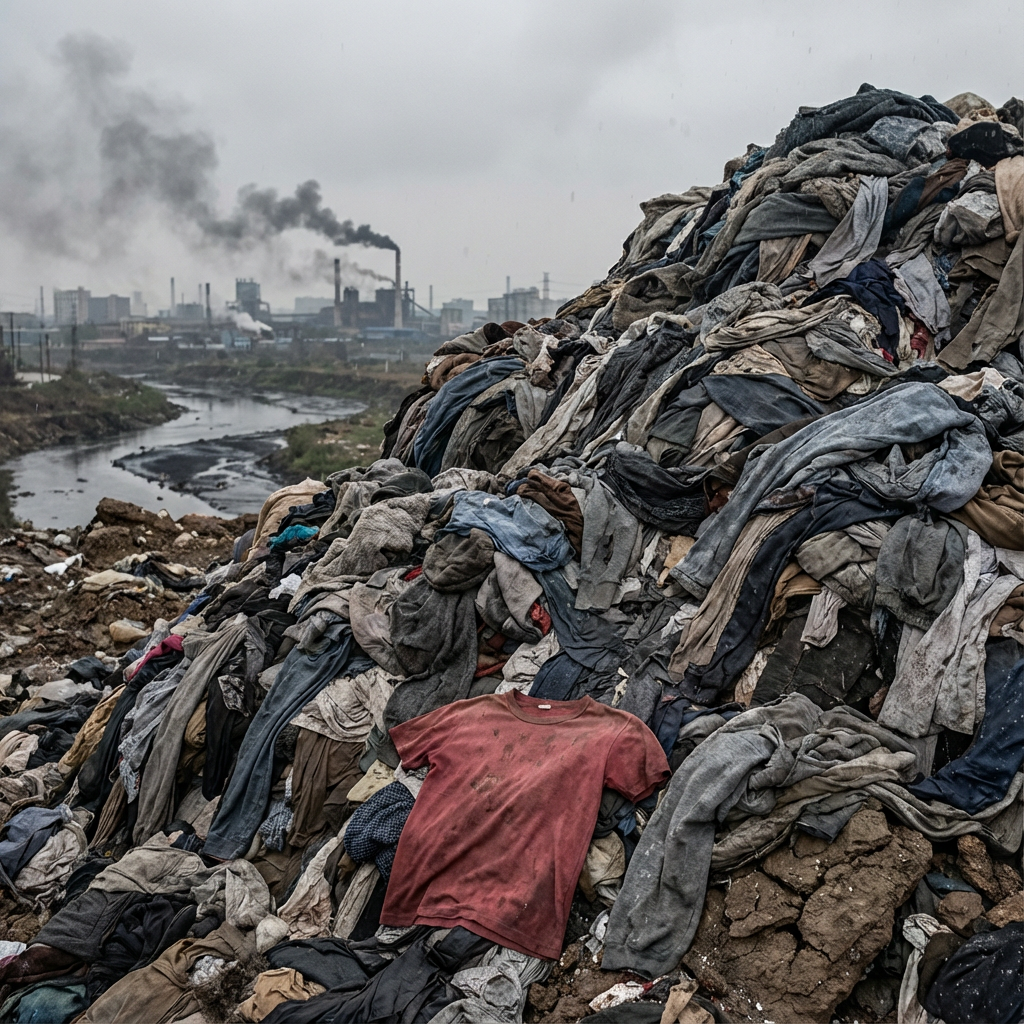
Globally, an estimated 350,000 tonnes of unwanted clothing are discarded each year, with much of it ending up in landfills or being incinerated. This fast-paced consumption leads to a growing mountain of textile waste, contributing to both environmental degradation and overburdened landfills.
● Carbon Emissions
Fashion contributes roughly 10% of global greenhouse gas emissions. The energy-intensive processes involved in textile production, from fiber production to dyeing and finishing, release toxic by-products and contribute significantly to global warming. Polyester, a widely used synthetic fiber, is a major contributor to these emissions due to its petroleum-based origins.
The Real Cost of Cheap Fashion
That $8 shirt may seem like a bargain, but its true cost is hidden in the environmental damage it causes. As prices continue to drop, and demand rises, brands often resort to cheap labor and unsustainable manufacturing practices to keep costs low. This results in a cycle of environmental degradation, where both resources and people pay the price.
Fast fashion’s “disposable culture” has led to single-use garments that are worn just a handful of times before being discarded. The environmental consequences of this behavior are dire, from water pollution to excessive waste. In fact, the carbon emissions associated with clothing production are equivalent to the emissions of 185 coal-fired power plants annually.
The Path Forward: Sustainable Solutions
There is a clear need for change. As the fashion industry shifts from a linear to a circular economy, the focus must be on reducing waste, improving production practices, and prioritizing sustainability across all levels of the supply chain. This shift is not just about reducing environmental harm, but about embracing ethical practices that promote social and environmental responsibility.
At Fame Garments, we are committed to transforming the fashion industry by embracing sustainable practices at every stage of production. As a manufacturer with over 10 years of experience, we focus on minimizing waste, using eco-friendly materials, and ensuring ethical labor practices. Our goal is to provide high-quality, custom-made garments that meet the needs of our clients while minimizing environmental impact.
By adopting a circular approach to garment production, we are working to reduce the industry's reliance on non-renewable resources and implement waste-reducing strategies that promote long-term sustainability. We believe that by partnering with forward-thinking brands and designers, we can create a future where fashion is both stylish and sustainable. Together, we can make a positive impact on the environment, one garment at a time.
Fame Garments is dedicated to making a difference. If you’re looking for a partner that prioritizes both quality and sustainability, we’re ready to help you create fashion that makes a positive impact.